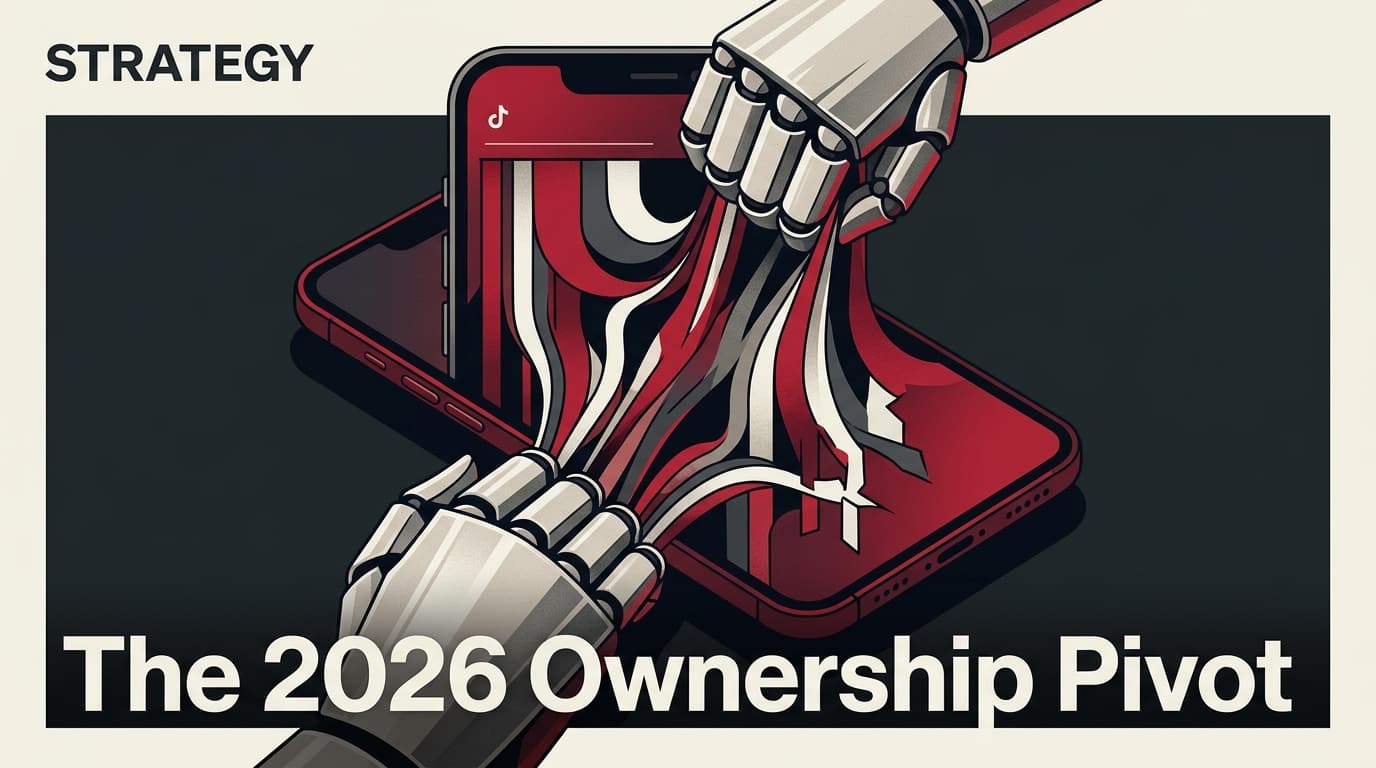
TikTok’s long-simmering regulatory battle is shifting from the threat of an outright ban to the logistical reality of a forced sale by early 2026. For brand marketing leads and agency strategists, the clock is no longer a hypothetical countdown; it is a deadline for decoupling creative equity from a single platform's proprietary graph.
Why it matters: The 2026 pivot represents the largest potential disruption to ad spend and creator ecosystems since the iOS 14.5 privacy update. If a sale results in a fractured user base or a degraded algorithm under new management, agencies without a platform-agnostic creative pipeline risk watching millions in client equity evaporate overnight.
TL;DR
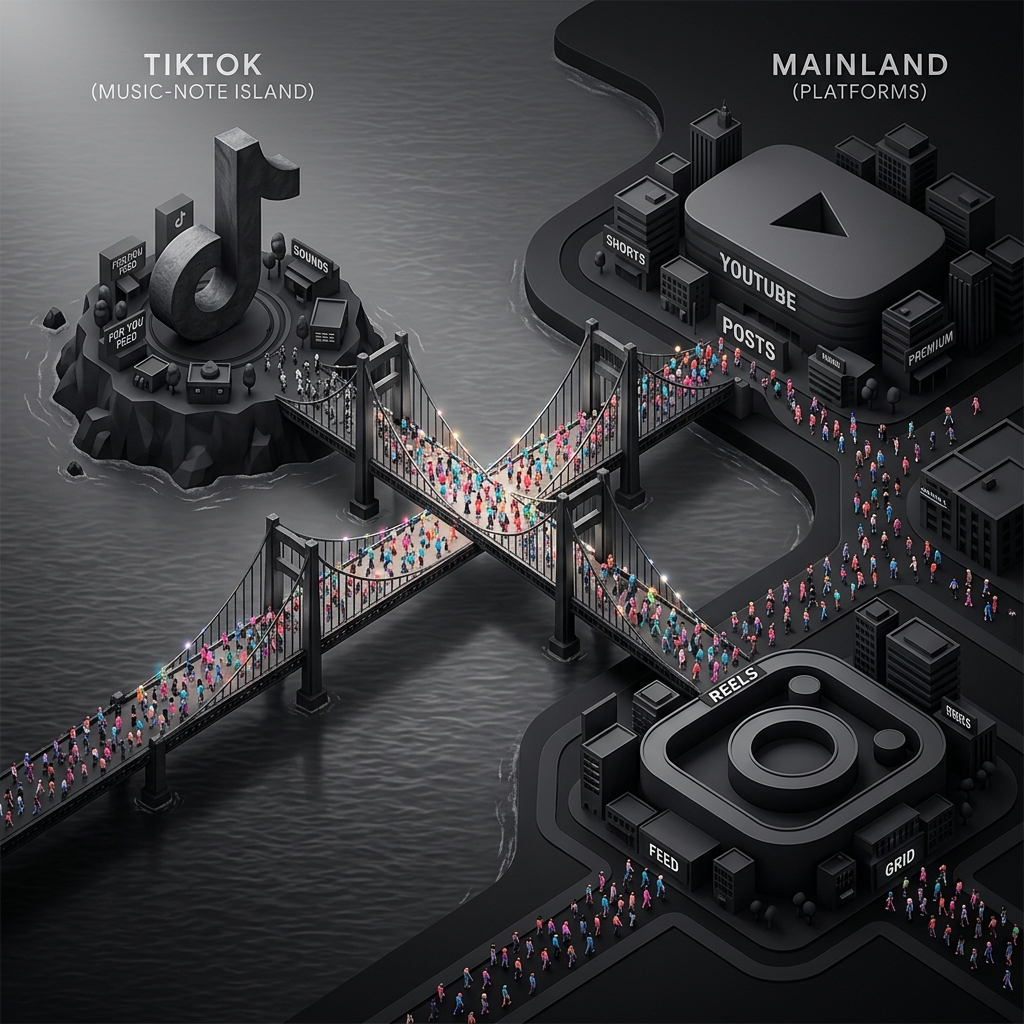
- Diversification is non-negotiable: Move away from "TikTok-first" to "Vertical Video-first" workflows to ensure assets are ready for Reels and Shorts.
- Ownership Whiplash: Digiday reports that marketers are bracing for a repeat of the X (formerly Twitter) volatility as TikTok's ownership structure changes.
- AI as a Buffer: Use agentic AI tools like Claude to automate the technical reformatting and deployment of content across fragmented silos.
- First-Party Priority: Shift engagement signals to owned channels to mitigate the risk of platform-specific community loss.
The Ghost of X: Why Marketers Fear the 2026 Transition
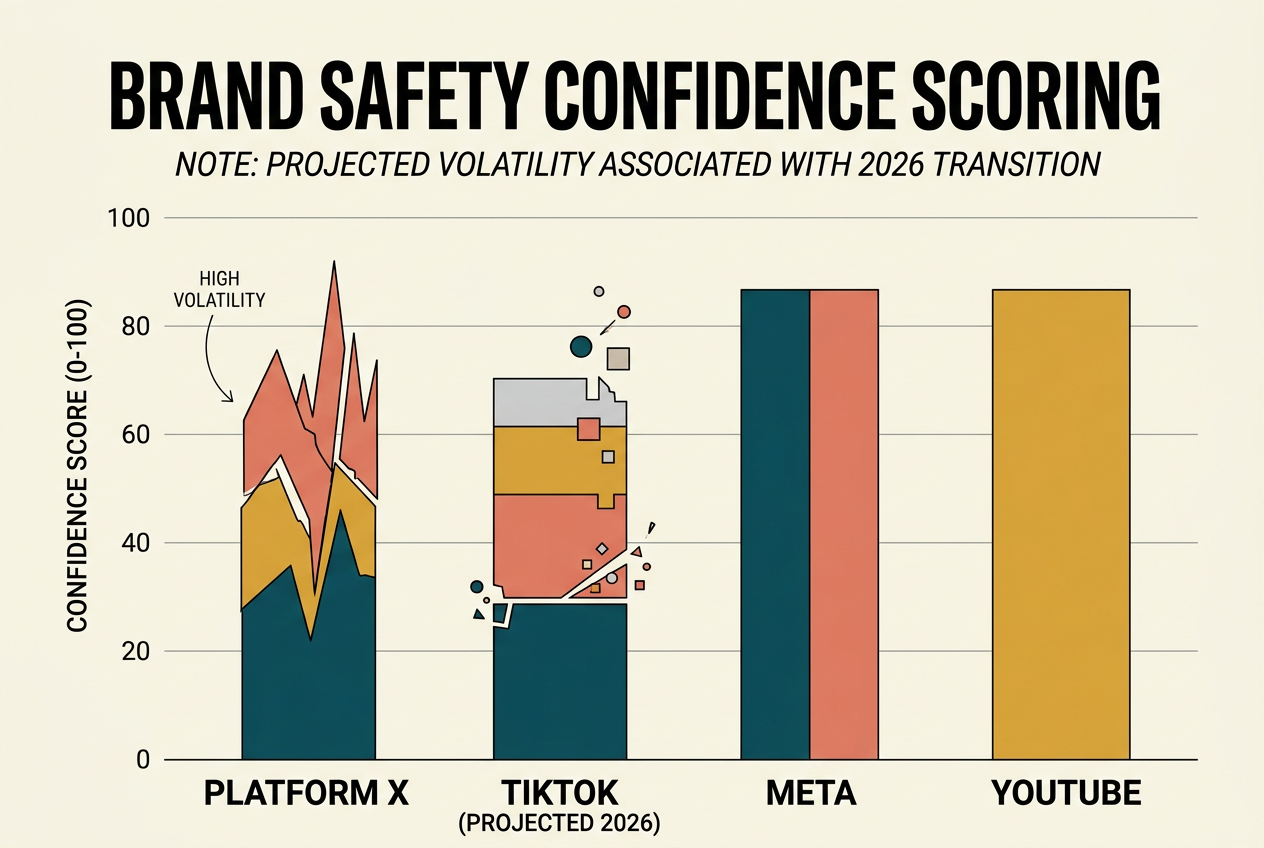
The industry is currently haunted by the specter of 2022. According to recent reporting from Digiday, marketers are bracing for "TikTok whiplash" in 2026, drawing direct parallels to the chaos that followed Elon Musk’s acquisition of X. The concern isn't just about the app staying on phones; it's about who holds the keys to the data and the moderation policies.
When a platform changes hands under duress—as TikTok is poised to do—the immediate aftermath often involves an exodus of talent and a shift in algorithmic priorities. For an agency managing a $500k monthly TikTok spend, the risk is twofold: a sudden drop in organic reach as the "For You Page" (FYP) is recalibrated by new owners, and a potential brand safety crisis if moderation standards fluctuate during the handover.
We saw this with X, where brand safety concerns led to a massive pull-back in ad spend that has yet to fully recover. The TikTok situation is arguably more complex because the tech stack itself—the recommendation engine—is the primary asset. If the sale does not include the proprietary ByteDance algorithm, marketers are essentially buying a shell with a famous name but a broken heart. You shouldn't wait for the final signatures to start treating TikTok as a high-risk asset.
Building the Platform-Agnostic Creative Pipeline
To survive 2026, you must stop producing "TikToks" and start producing vertical-format brand assets. This is a subtle but vital distinction in workflow. A TikTok-first approach relies heavily on in-app editing, native sounds, and platform-specific trends that don't always translate to Instagram Reels or YouTube Shorts.
How to optimize creative for YouTube Shorts
A platform-agnostic pipeline starts with raw high-quality capture and external editing. Using tools like Adobe Premiere or CapCut (desktop version) allows you to maintain master files that aren't watermarked or locked into a specific aspect ratio or safe-zone configuration.
The Three-Tier Content Strategy
- Core Narrative: High-production value vertical video that works across all three major platforms (TikTok, Reels, Shorts).
- Platform-Specific Polish: Adding native text overlays and trending audio within each app to satisfy the algorithm's preference for native features.
- Community Archiving: Moving high-value interactions—such as long-form Q&As or deep-dives—to platforms with more stable ownership, like YouTube or even LinkedIn for B2B brands.
The Role of Agentic AI in Risk Mitigation
As the workload of managing three or four different short-form video platforms increases, agencies are turning to AI to bridge the gap. Recent discussions in professional marketing circles, such as those on the DigitalMarketing subreddit, highlight a shift toward "agentic AI" tools. While ChatGPT remains the household name, marketers are finding that tools like Claude are increasingly capable of handling complex technical tasks, such as cloning web environments or reformatting creative assets for different platform specifications.
One marketer noted that Claude’s coding capabilities allowed them to "completely clone my Business's webflow website and create a production version basically one shot," significantly reducing the need for specialized freelancers for minor technical pivots. For a social media agency, this type of AI utility is the key to scaling a "diversified" strategy without doubling the headcount. Imagine an AI agent that takes a raw 4K vertical video and automatically generates three versions with optimized safe zones, captions, and metadata for TikTok, Reels, and Shorts simultaneously. This isn't a future-state; it's a 2026 survival requirement.
Financial Realignment: Follow the M&A Signal
While the headlines focus on the "ban," the smart money is looking at the mid-market acquisition space. In April 2026, TipRanks reported that Youxin Technology moved to acquire an 18% stake in the TikTok marketing partner YATOP for $10.8 million. This suggests that while the platform's top-level ownership is in flux, the ecosystem of service providers is still viewed as a valuable, if volatile, investment.
For agencies, this means the "TikTok Partner" badge still carries weight, but it should no longer be the only badge on your website. Diversifying your agency’s certification and partnership status—becoming a Meta Business Partner and a Google Premier Partner—is a form of institutional hedging. If TikTok’s US operations are sold to a domestic consortium, these partnerships may be the only way to maintain early access to new ad products during the transition.
Moderation and Brand Safety: The Hidden Cliff
The risk of ownership change isn't just about the algorithm; it's about the humans—or lack thereof—monitoring the content. We are already seeing cracks in the moderation armor of competing platforms. A recent viral report on Reddit detailed a heartbreaking instance where Instagram's automated systems removed a five-year-old video of a deceased loved one for "nudity or sexual activity" despite the subject being fully clothed.
This type of "algorithmic overreach" or "moderation decay" is exactly what marketers fear during a TikTok ownership pivot. If the new owners of TikTok slash the trust and safety teams to improve the balance sheet post-acquisition, your brand's ads could end up next to increasingly toxic or misclassified content.
Actionable Advice for Brand Managers:
- Audit your exclusion lists monthly: Don't set and forget. As the platform enters the sale phase, content quality will fluctuate.
- Request manual placement reports: If you are a high-spend brand, push your reps for more transparency than the standard dashboard provides.
- Prepare a 'Dark Site' strategy: Have a plan to pause all spend within 24 hours if the ownership transition triggers a significant brand safety event.
The Creator Economy’s Flight to Quality
Creators are also sensing the shift. The most successful influencers are no longer building their houses on TikTok's rented land. They are moving toward multi-platform presence and, more importantly, email lists and private communities.
[INTERNAL: Why creator-led newsletters are the new social media -> creator-newsletters]
As an agency, you should be advising your creator partners to diversify. If you are managing a brand-deal pipeline, prioritize creators who have a strong cross-platform following. A creator with 1 million followers on TikTok but only 10k on Instagram is a high-risk investment for a 2026 campaign. You want the creator whose audience will follow them to whatever app wins the "sale wars."
What to Watch Next: The 2026 Milestones
As we move closer to the mandated sale date, keep a close eye on the following indicators:
- The Algorithm Portability Question: Does the sale include the source code for the recommendation engine? If not, expect a 6-12 month period of extreme volatility in organic reach.
- The Buyer Profile: A sale to a tech giant (like a Microsoft or Oracle) suggests stability. A sale to a private equity-led consortium might signal a focus on short-term monetization at the expense of user experience.
- The Talent Drain: Watch LinkedIn for an exodus of TikTok’s senior ad-product engineers. If the people who built the ad platform are leaving, the platform’s performance will likely follow.
Ultimately, the 2026 TikTok ownership pivot isn't something to be feared—it's something to be priced in. By building a platform-agnostic creative engine and leveraging AI to handle the overhead of diversification, your agency can turn a potential disaster into a competitive advantage. While other brands are scrambling to figure out "what happened to TikTok," you will already be winning on the platforms that remain.
FAQ